Evangadi — Building Scalable Learning Experiences for Aspiring Developers
Product Designer
Sass Edtech
2 Year
Project Overview
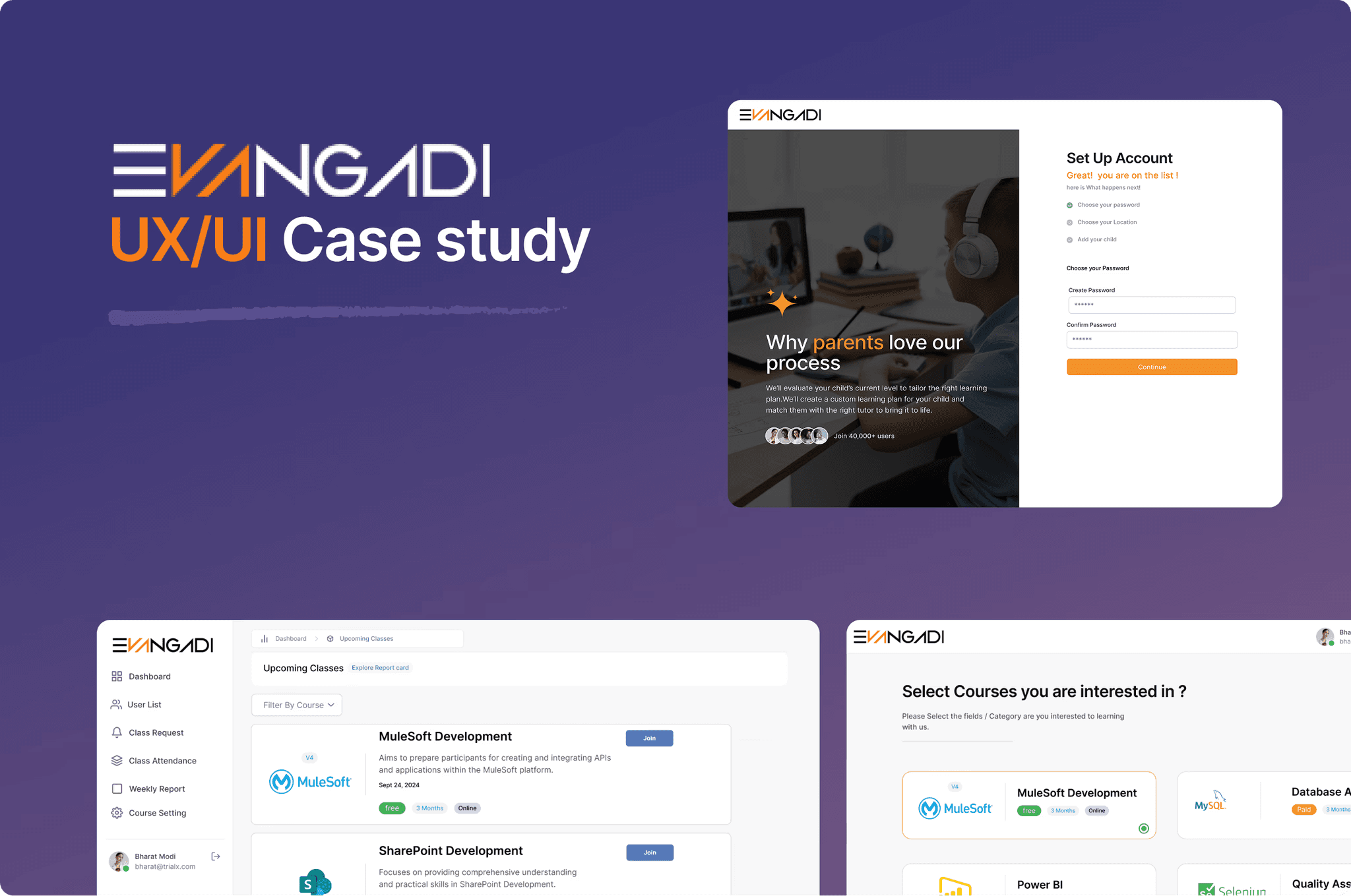
Evangadi is an online learning platform focused on helping students and working professionals build real-world software development skills. The platform serves a global audience, with a strong focus on beginner-friendly education, mentorship, and career readiness. I worked closely with product managers, instructors, and developers to design scalable, user-centric learning experiences that improved engagement, clarity, and conversion across the platform.
The challenge was to balance simplicity for beginners with depth for advanced learners, while supporting business growth.
Daily toolkit

Figma

Figma

Figma

Framer

Relume

Spline

Miro
Figma
Figma
Figma
Framer
Relume
Spline
Miro
My Process
Design Thinking Process
Empathize
Define
IDeate
Design
Test
My Process
Design Thinking Process
Empathize
Define
IDeate
Design
Test
Problem Statement
Problem Statement
Evengadi helps students from Ethiopia and other parts of Africa, & USA learn programming, English, and other job-ready skills. But we noticed some students aren’t finishing their courses or staying active for long.
Evengadi helps students from Ethiopia and other parts of Africa, & USA learn programming, English, and other job-ready skills. But we noticed some students aren’t finishing their courses or staying active for long.
Evengadi helps students from Ethiopia and other parts of Africa, & USA learn programming, English, and other job-ready skills. But we noticed some students aren’t finishing their courses or staying active for long.
Phase #1 *
Phase #1 *
Empathize
User Problems
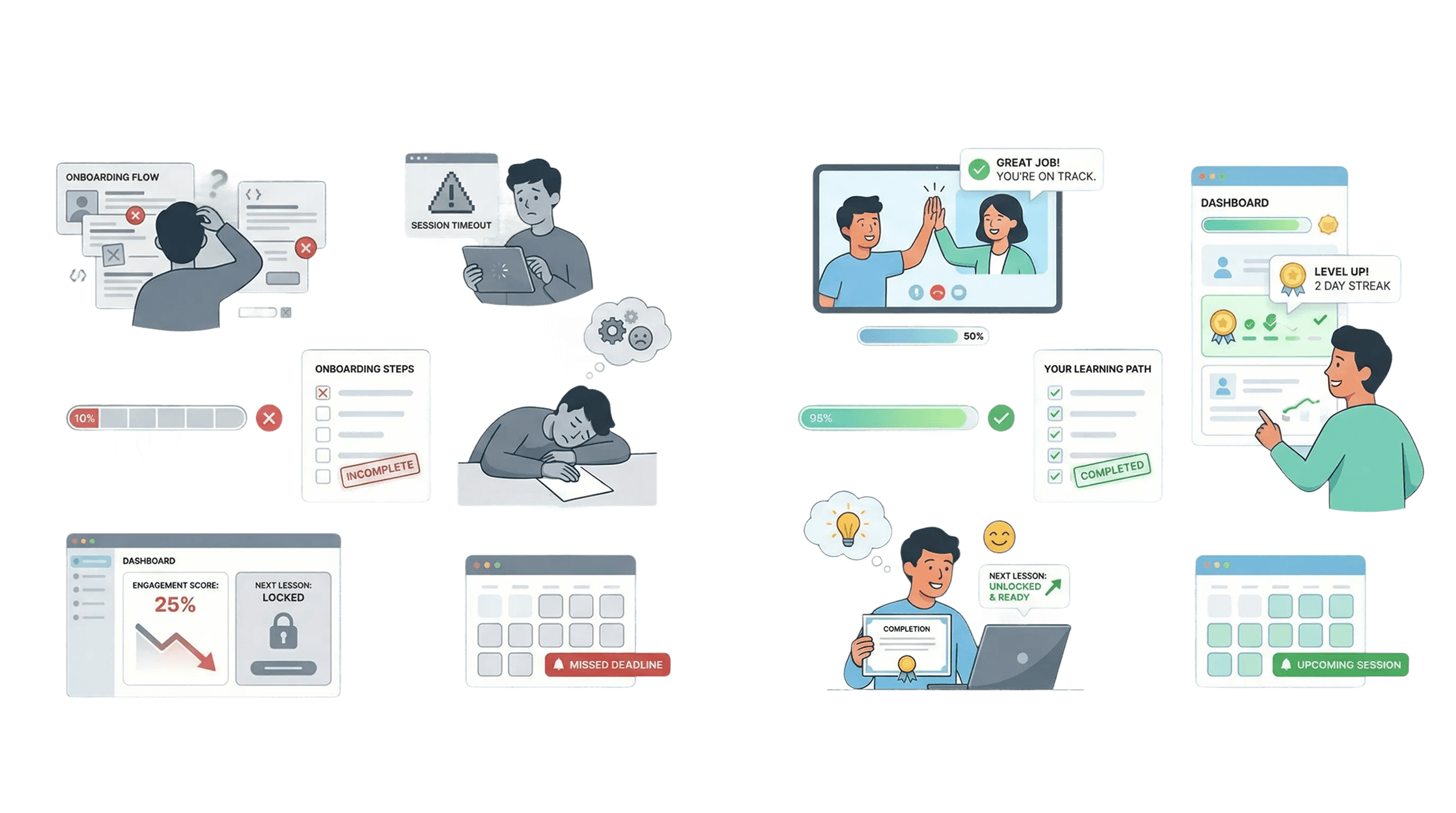
Students are facing a few roadblocks when using the platform. Some get stuck during onboarding, others find it hard to keep track of their learning, and many just feel lost or unmotivated.
Project Goals
"I don’t know where to start after I sign up , I wish there were reminders for assignments or live classes.
It feels like I’m learning alone—there’s no group or peer support.
I don’t understand how this course helps me get a job
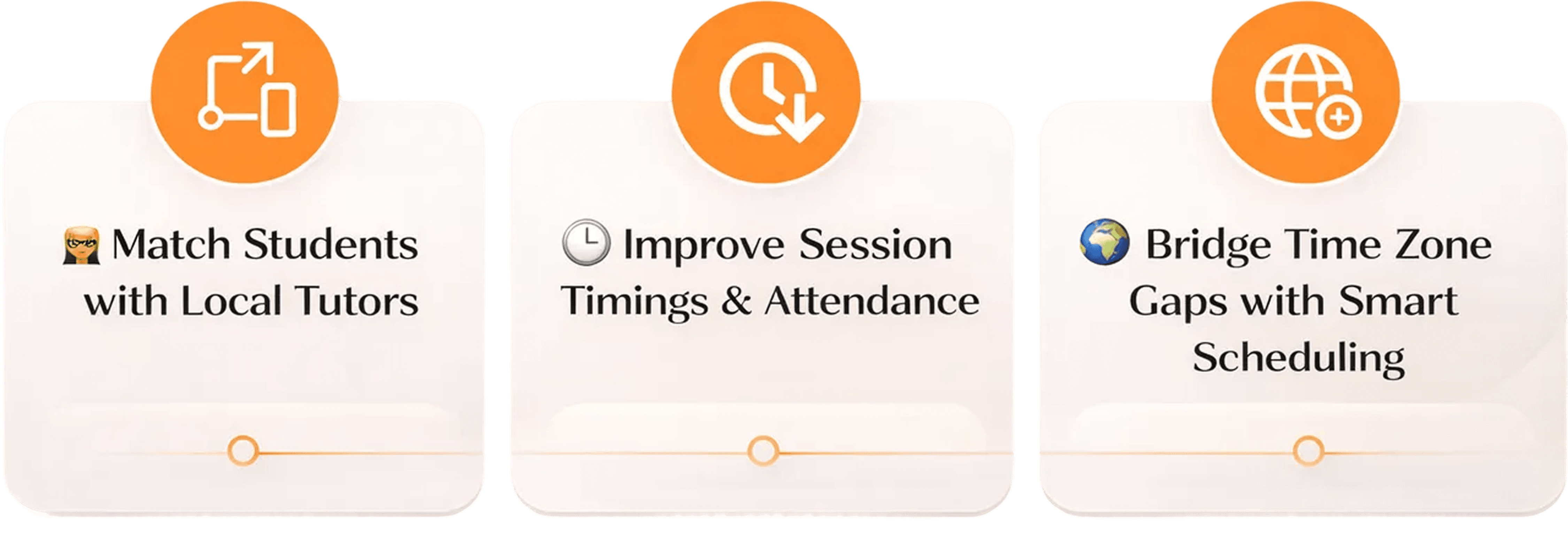
match a tutor who’s available when they are — someone local or in a similar time zone
Project Goals
match a tutor who’s available when they are — someone local or in a similar time zone
Students are facing a few roadblocks when using the platform. Some get stuck during onboarding, others find it hard to keep track of their learning, and many just feel lost or unmotivated.
Project Goals
match a tutor who’s available when they are — someone local or in a similar time zone
User Problems
"I don’t know where to start after I sign up , I wish there were reminders for assignments or live classes.
It feels like I’m learning alone—there’s no group or peer support.
I don’t understand how this course helps me get a job
Students are facing a few roadblocks when using the platform. Some get stuck during onboarding, others find it hard to keep track of their learning, and many just feel lost or unmotivated.
"I don’t know where to start after I sign up , I wish there were reminders for assignments or live classes.
It feels like I’m learning alone—there’s no group or peer support.
I don’t understand how this course helps me get a job
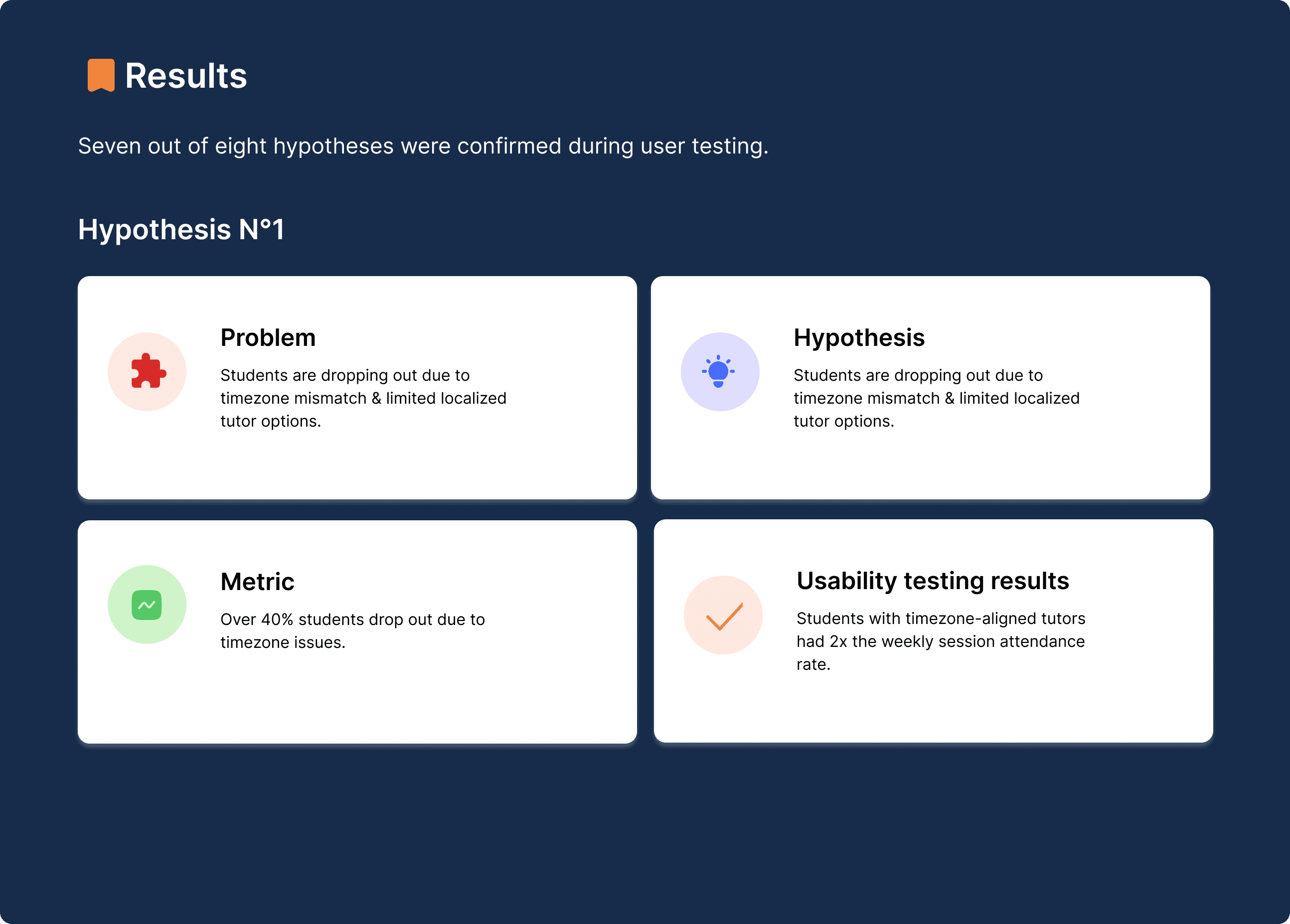
😖 User Pain Point: Time Zone Clash with Tutors
Students are often matched with tutors from different time zones, which leads to awkward session timings. This makes it tough for students to attend live classes consistently and stay engaged with their learning.
Sessions happen too early in the morning or too late at night. Students miss out on live discussions and Q&A. It disrupts their daily routine and lowers motivation. It creates a disconnect between tutors and students, reducing the overall learning experience.
Students are often matched with tutors from different time zones, which leads to awkward session
timings. This makes it tough for students to attend live classes consistently and stay engaged with their learning.
Sessions happen too early in the morning or too late at night. Students miss out on live discussions and Q&A. It disrupts their daily routine and lowers motivation. It creates a disconnect between tutors and students, reducing the overall learning experience.
😖 What users really want :
A tutor who’s available when they are — someone local or in a similar time zone, so learning feels smooth, timely, and human. We need to understand their needs better so we can make learning easier, more engaging, and useful for their future goals
We’re designing for:
Our target Audience is the Age of 18 - 45 people.

Instructor

No-tech employee

Tutor

Interns

Student
Possible Solutions
Possible Solutions
To help users live a healthier lifestyle, the app could include:
Track progress — Let users check off tasks, edit, and monitor their journey.
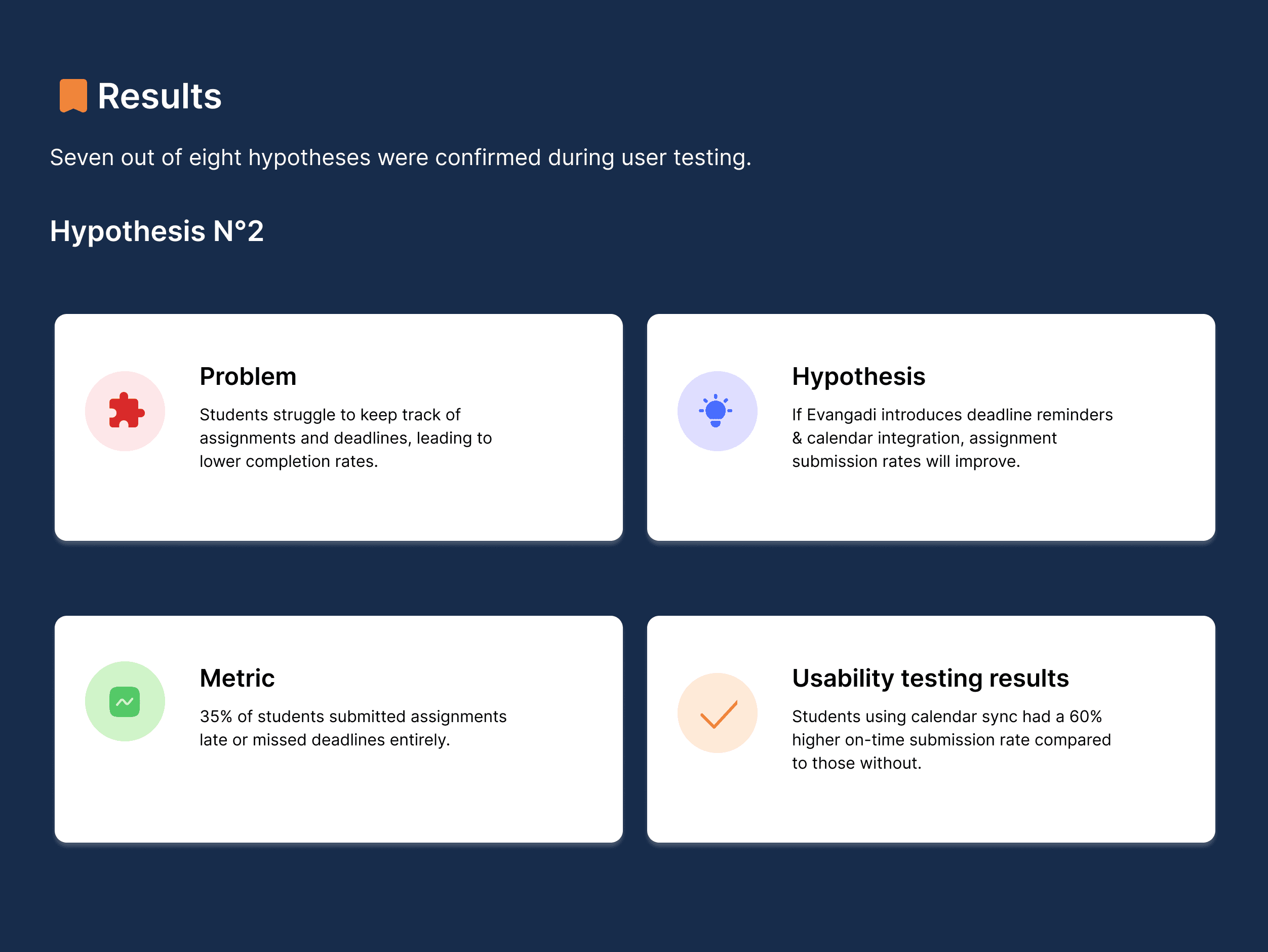
Flexible scheduling — Give users the option to move tasks around based on how their day is going.
Track progress — Let users check off tasks, edit, and monitor their journey.
Content hub — Include blogs, tips, videos, and success stories related to health and remote work.
Gamification & rewards — Add fun weekly goals, points, or challenges to stay motivated.
Reminders — Nudge users with helpful daily notifications.
Community support — Let users chat, challenge, or support each other while building learning habits.

This causes:
Low attendance rates for live classes.
Student dissatisfaction and higher refund / drop-out rates.
Tutor frustration due to empty or low-engagement sessions.
Wasted time and resources in managing reschedules or alternative batches.
Understanding the Problem
Understanding the Problem
Tutors’ schedules are often created without fully accounting for students’ local time zones.
Students sometimes enroll without knowing session timings in their own time zone, leading to surprise mismatches after payment or onboarding.
Tutors’ schedules are often created without fully accounting for students’ local time zones.
Students sometimes enroll without knowing session timings in their own time zone, leading to surprise mismatches after payment or onboarding.
This causes:
Low attendance rates for live classes.
Student dissatisfaction and higher refund / drop-out rates.
Tutor frustration due to empty or low-engagement sessions.
Wasted time and resources in managing reschedules or alternative batches.
Define
Phase #2 *
Define
Phase #2 *
Primary Research
To gain deeper insights into the scheduling challenges faced by Evangadi’s students and tutors, I conducted a mixed-method research study, facilitated by a dedicated research agent.
Research Methods
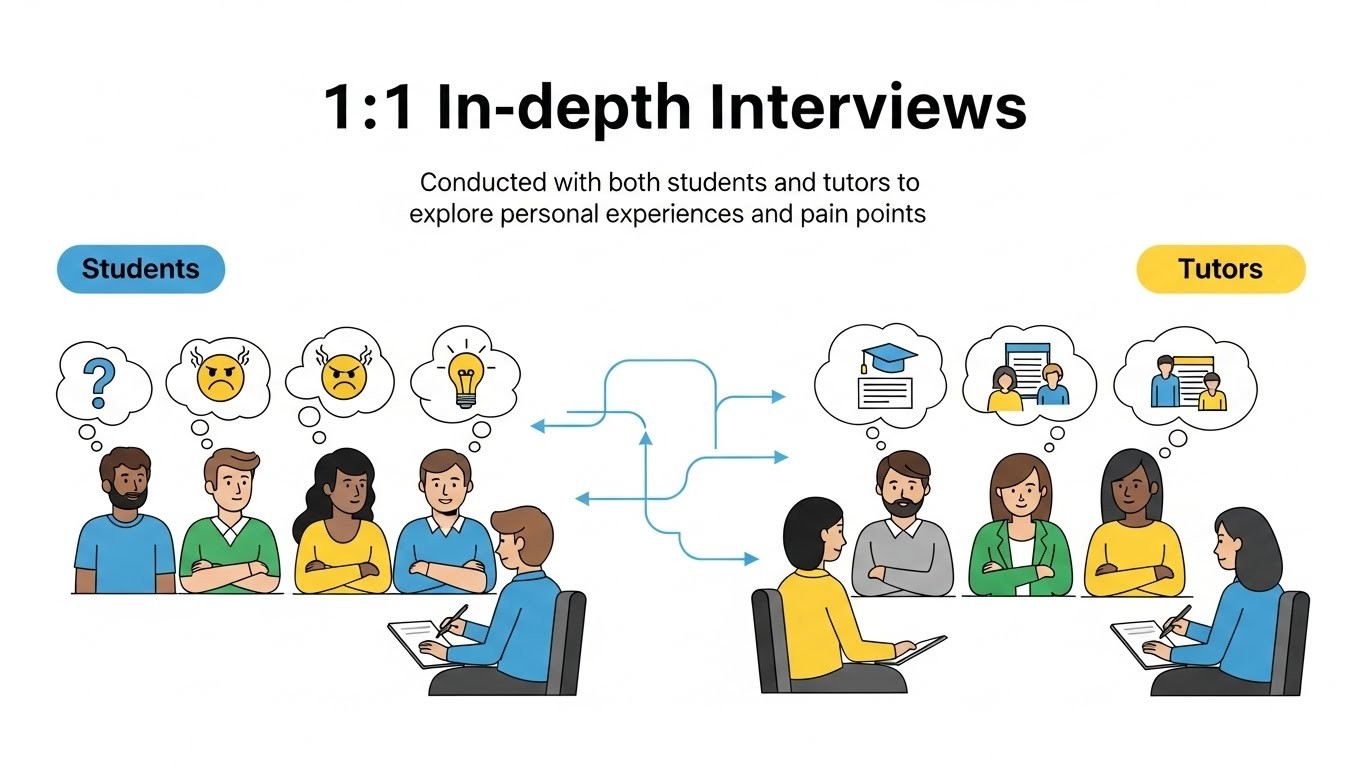
1:1 In-depth Interviews – Conducted with both students and tutors to explore personal experiences and pain points.
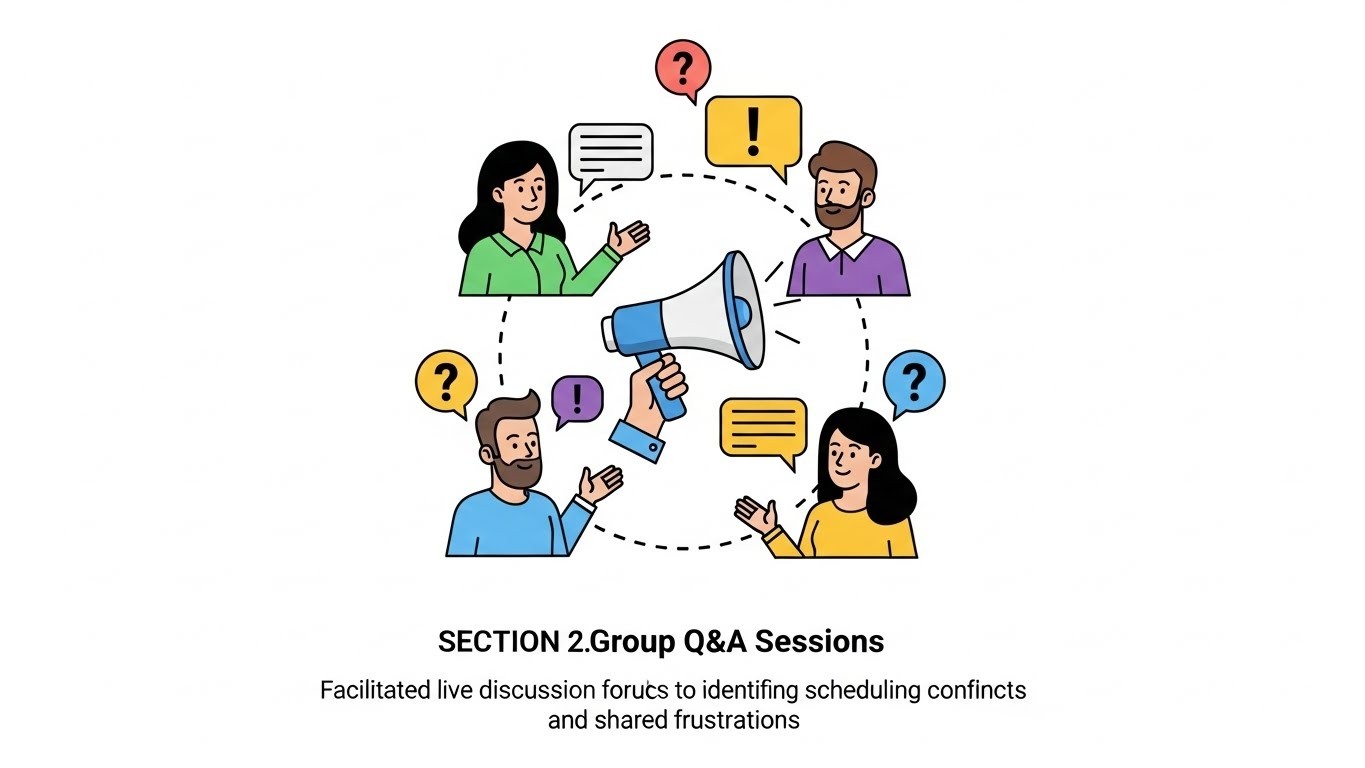
Group Q&A Sessions – Facilitated live discussion forums to identify recurring scheduling conflicts and shared frustrations.
Observation & Attendance Tracking – Monitored attendance patterns over a 4-week period to spot trends in drop-offs and engagement dips.
Research Methods
1:1 In-depth Interviews – Conducted with both students and tutors to explore personal experiences and pain points.
Group Q&A Sessions – Facilitated live discussion forums to identify recurring scheduling conflicts and shared frustrations.
Observation & Attendance Tracking – Monitored attendance patterns over a 4-week period to spot trends in drop-offs and engagement dips.
Secondary Research
To build on the insights from interviews, I explored existing literature, online discussions, and case studies from other global e-learning platforms. My goal was to understand how time-zone differences impact remote learning, and what solutions have been successfully implemented elsewhere.
Secondary Research
To build on the insights from interviews, I explored existing literature, online discussions, and case studies from other global e-learning platforms. My goal was to understand how time-zone differences impact remote learning, and what solutions have been successfully implemented elsewhere.
Key Findings:
Impact on Attendance & Retention – Studies show that learners in mismatched time zones have 25–40% lower attendance rates and higher dropout risks compared to those in aligned schedules.
Cognitive Performance & Learning Outcomes – Research in chronology suggests students perform better when learning during their natural peak hours, making early-morning or late-night classes less effective.
Tutor Burnout – Instructors teaching across multiple time zones often face irregular sleep cycles, reduced preparation time, and higher burnout rates.
Adoption of Local Time Display – Platforms like Coursera and VIPKid use automatic local-time conversion in schedules to reduce confusion and improve attendance.
Flexible Delivery Models – Successful platforms mix live sessions with recorded content, interactive forums, and asynchronous assignments to accommodate global learners.
Peer Community Clustering – Grouping learners by region or similar time zones improves engagement and networking, which indirectly boosts motivation.
Key Findings:
Impact on Attendance & Retention – Studies show that learners in mismatched time zones have 25–40% lower attendance rates and higher dropout risks compared to those in aligned schedules.
Cognitive Performance & Learning Outcomes – Research in chronology suggests students perform better when learning during their natural peak hours, making early-morning or late-night classes less effective.
Tutor Burnout – Instructors teaching across multiple time zones often face irregular sleep cycles, reduced preparation time, and higher burnout rates.
Adoption of Local Time Display – Platforms like Coursera and VIPKid use automatic local-time conversion in schedules to reduce confusion and improve attendance.
Flexible Delivery Models – Successful platforms mix live sessions with recorded content, interactive forums, and asynchronous assignments to accommodate global learners.
Peer Community Clustering – Grouping learners by region or similar time zones improves engagement and networking, which indirectly boosts motivation.
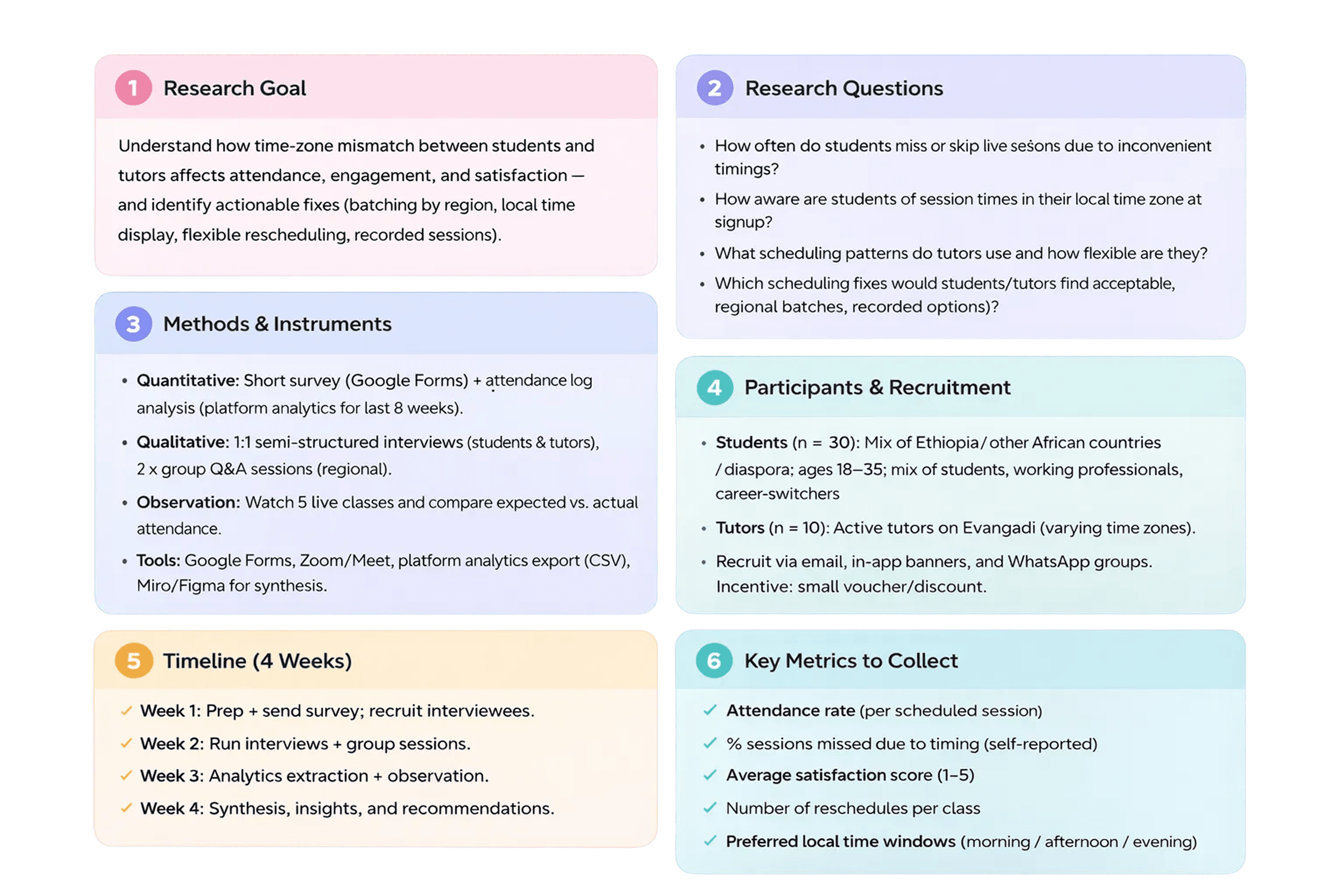
Research plan — Tutor time-zone & scheduling (Evangadi)
Below is a compact, actionable research plan tailored to the tutor / student time-zone problem — plus realistic sample data you can use in presentations or to validate hypotheses..
Research plan — Tutor time-zone & scheduling (Evangadi)
Below is a compact, actionable research plan tailored to the tutor / student time-zone problem — plus realistic sample data you can use in presentations or to validate hypotheses..

Quantitative Research
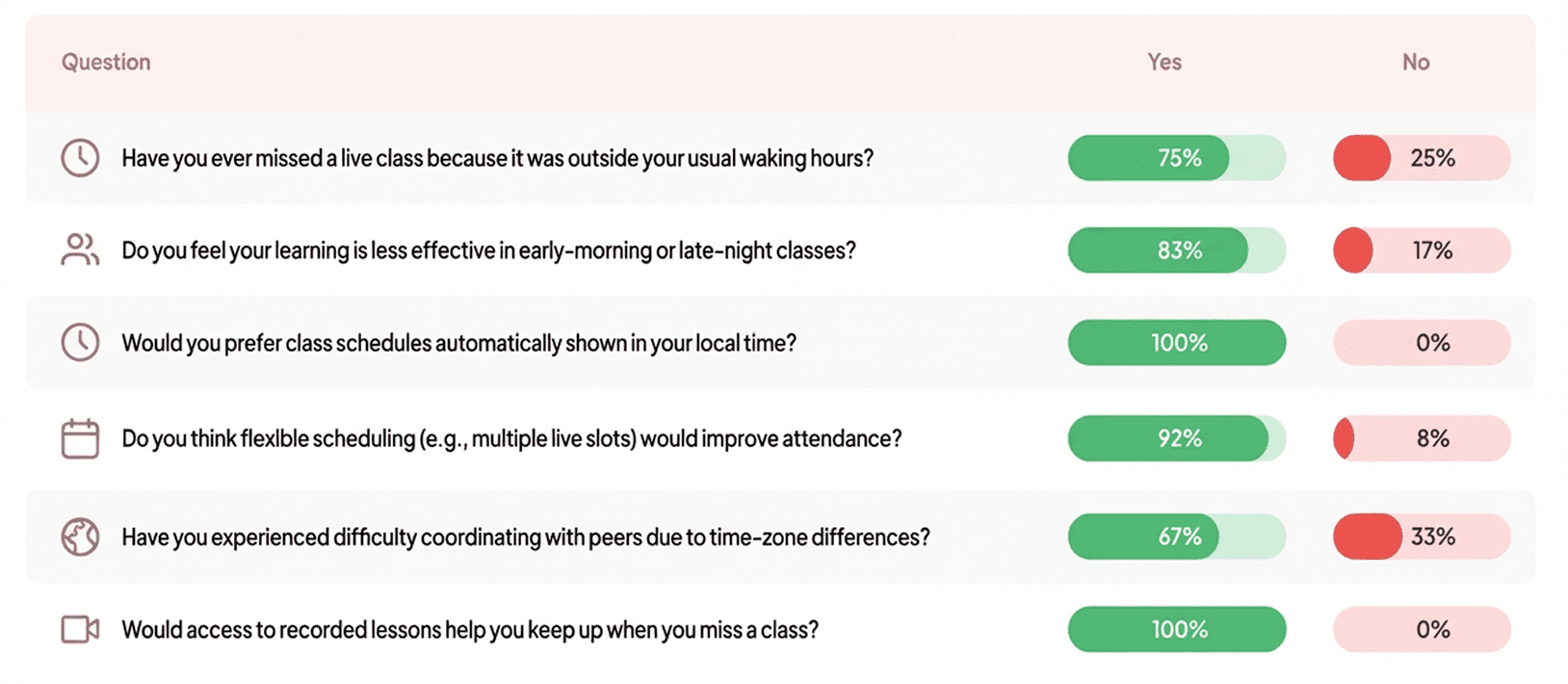
I conducted an online survey with 12 participants — 8 students and 4 tutors — using Google Forms. The goal was to gather numerical insights into how time-zone mismatches impact learning and teaching experiences on Evangadi.
The study collected data on attendance rates, satisfaction levels, and preferred class timing formats. The results help measure the scale of the scheduling issue and guide solution design.
Quantitative Research
I conducted an online survey with 12 participants — 8 students and 4 tutors — using Google Forms.
The goal was to gather numerical insights into how time-zone mismatches impact learning and teaching experiences on Evangadi.
The study collected data on attendance rates, satisfaction levels, and preferred class timing formats. The results help measure the scale of the scheduling issue and guide solution design.
Quantitative Research
I conducted an online survey with 12 participants — 8 students and 4 tutors — using Google Forms. The goal was to gather numerical insights into how time-zone mismatches impact learning and teaching experiences on Evangadi.
The study collected data on attendance rates, satisfaction levels, and preferred class timing formats. The results help measure the scale of the scheduling issue and guide solution design.
Ideate
Phase #3 *
Ideate
Phase #3 *
Ideate
Phase #3 *
Phase #3 *
Roadmap
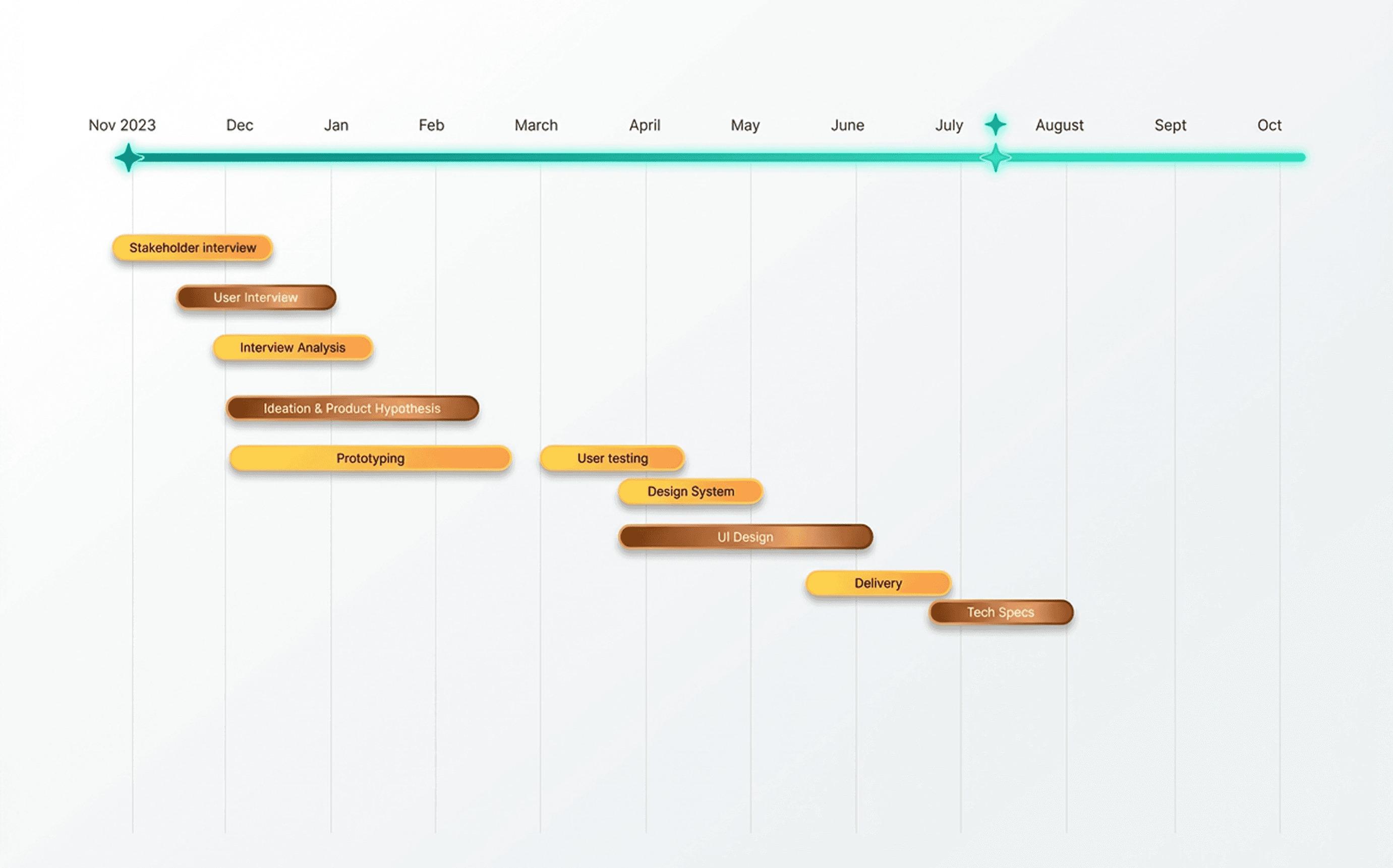
This roadmap outlines the end-to-end product design process from research to delivery. It highlights key phases including stakeholder interviews, prototyping, user testing, design system creation, UI design, and final handoff.
Roadmap
This roadmap outlines the end-to-end product design process from research to delivery. It highlights key phases including stakeholder interviews, prototyping, user testing, design system creation, UI design, and final handoff.
Roadmap
This roadmap outlines the end-to-end product design process from research to delivery.
It highlights key phases including stakeholder interviews, prototyping, user testing, design system creation, UI design, and final handoff.
Mind map
This mind map visualizes the complete information architecture of the student portal, covering courses, community, progress tracking, and support,
A feature-level view of an EdTech student portal, built to support learning, engagement, and progress tracking.
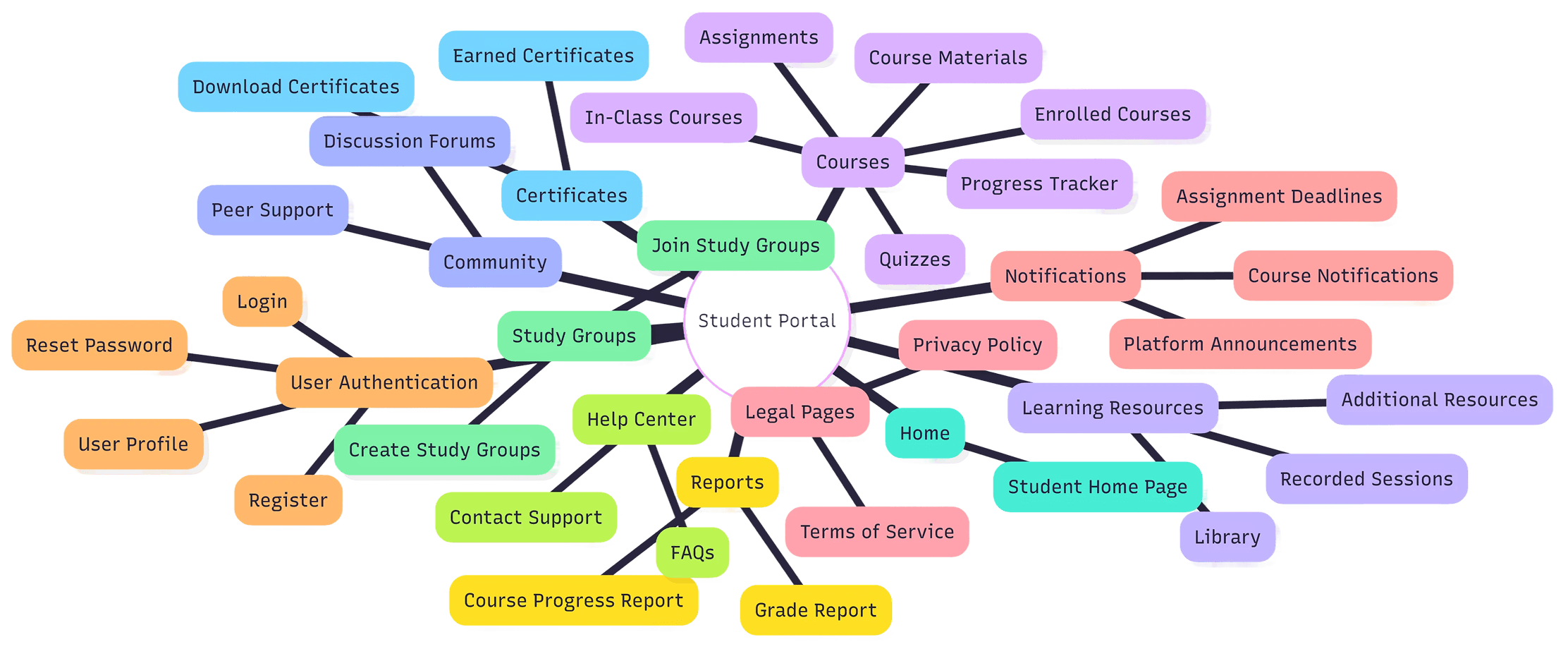
Mind map
This mind map visualizes the complete information architecture of the student portal, covering courses, community, progress tracking, and support,
A feature-level view of an EdTech student portal, built to support learning, engagement, and progress tracking.
Mind map
This mind map visualizes the complete information architecture of the student portal, covering courses, community, progress tracking, and support,
A feature-level view of an EdTech student portal, built to support learning, engagement, and progress tracking.
Wireframe
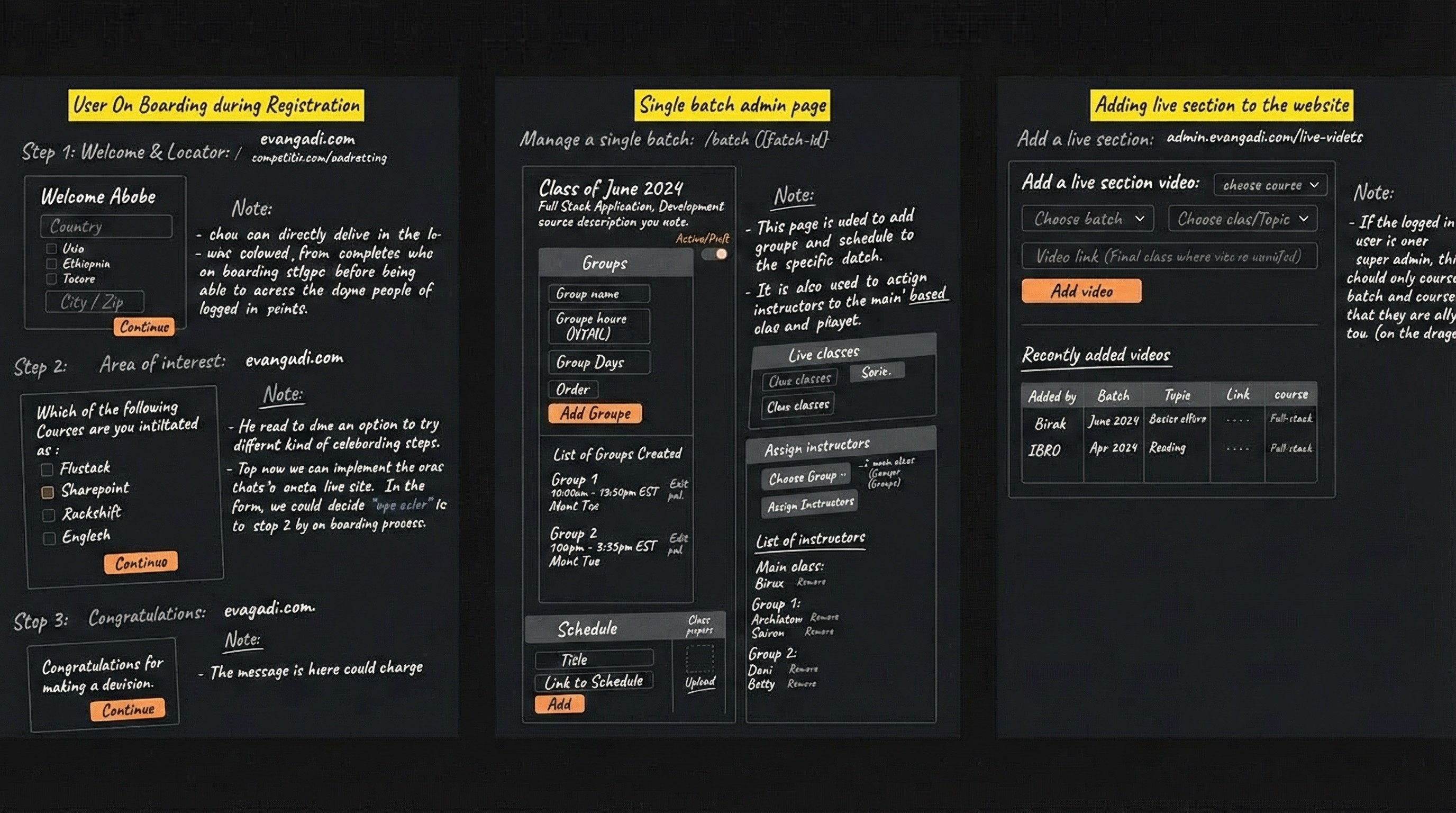
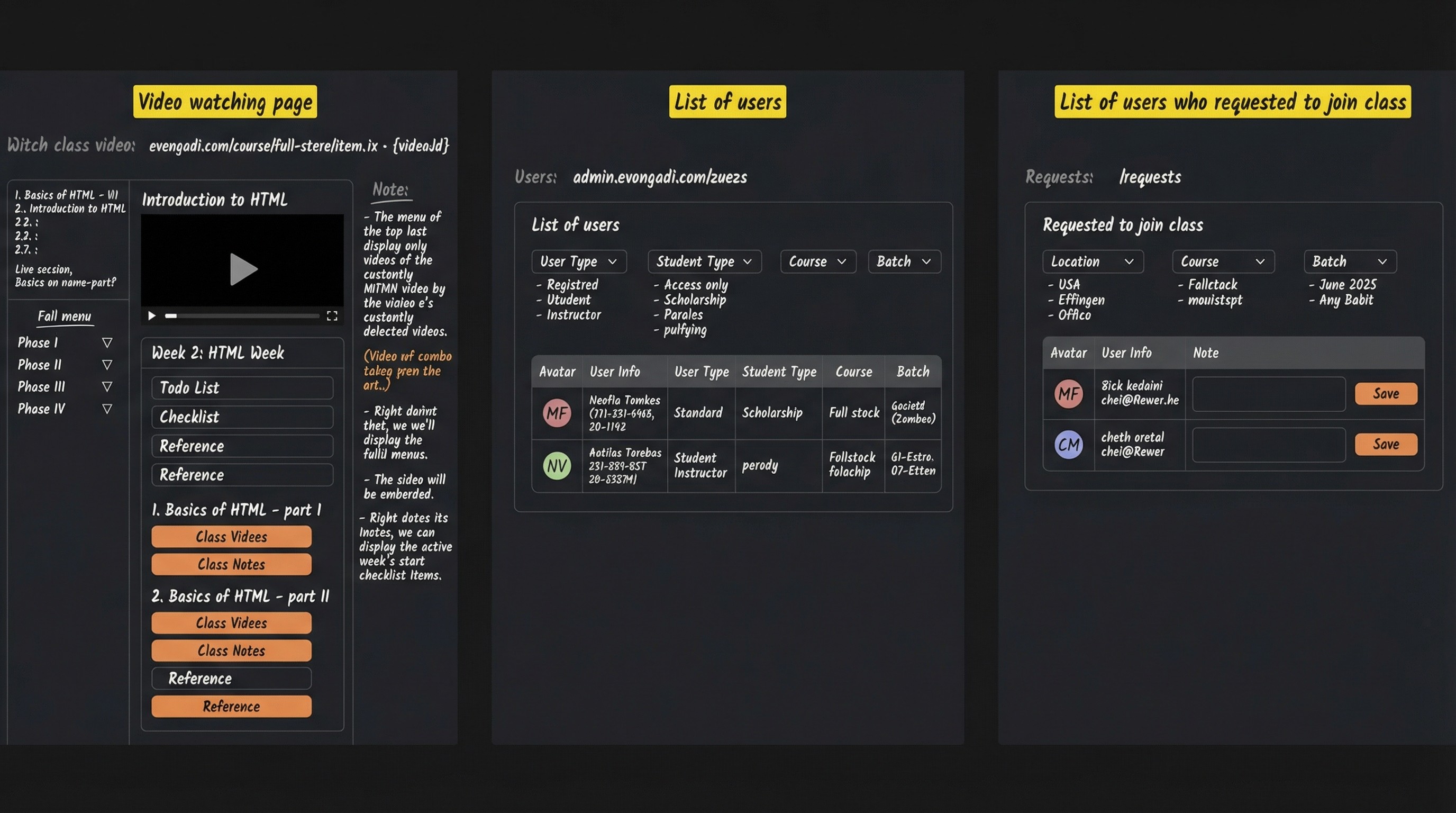
Low-fidelity sketches were created to visualize the key features and user flows of the Evangadi platform. These wireframes capture the onboarding experience, class scheduling, live sessions, and user management, providing a foundation for the design and development phase
Low-fidelity sketches were created to visualize the key features and user flows of the Evangadi platform.
These wireframes capture the onboarding experience, class scheduling, live sessions, and user management, providing a foundation for the design and development phase
Design
Phase #4 *
Phase #4 *
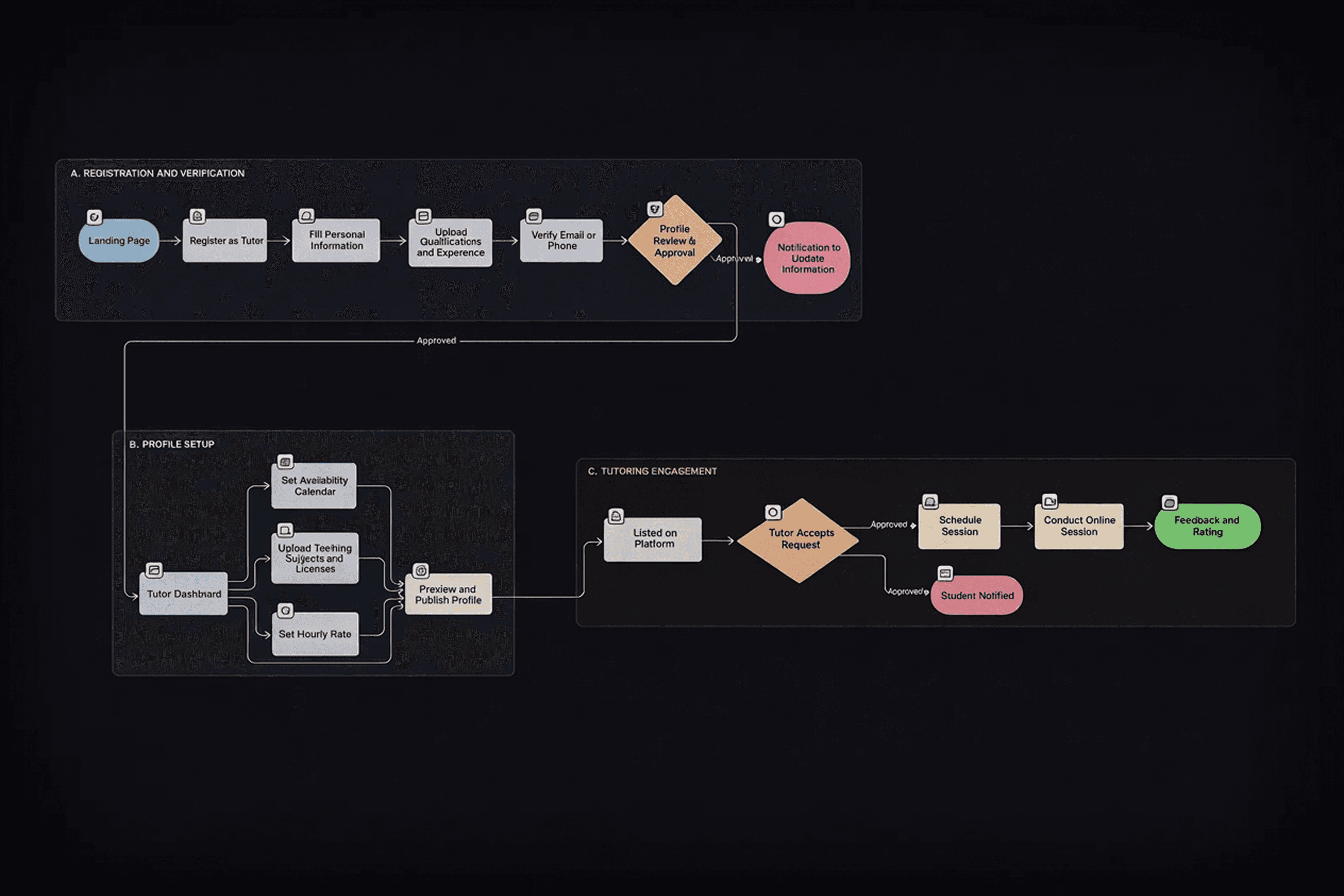
Userflow
A unified user flow illustrating how students and tutors onboard, connect through live classes, manage schedules, and track progress within the learning platform.
Userflow for student
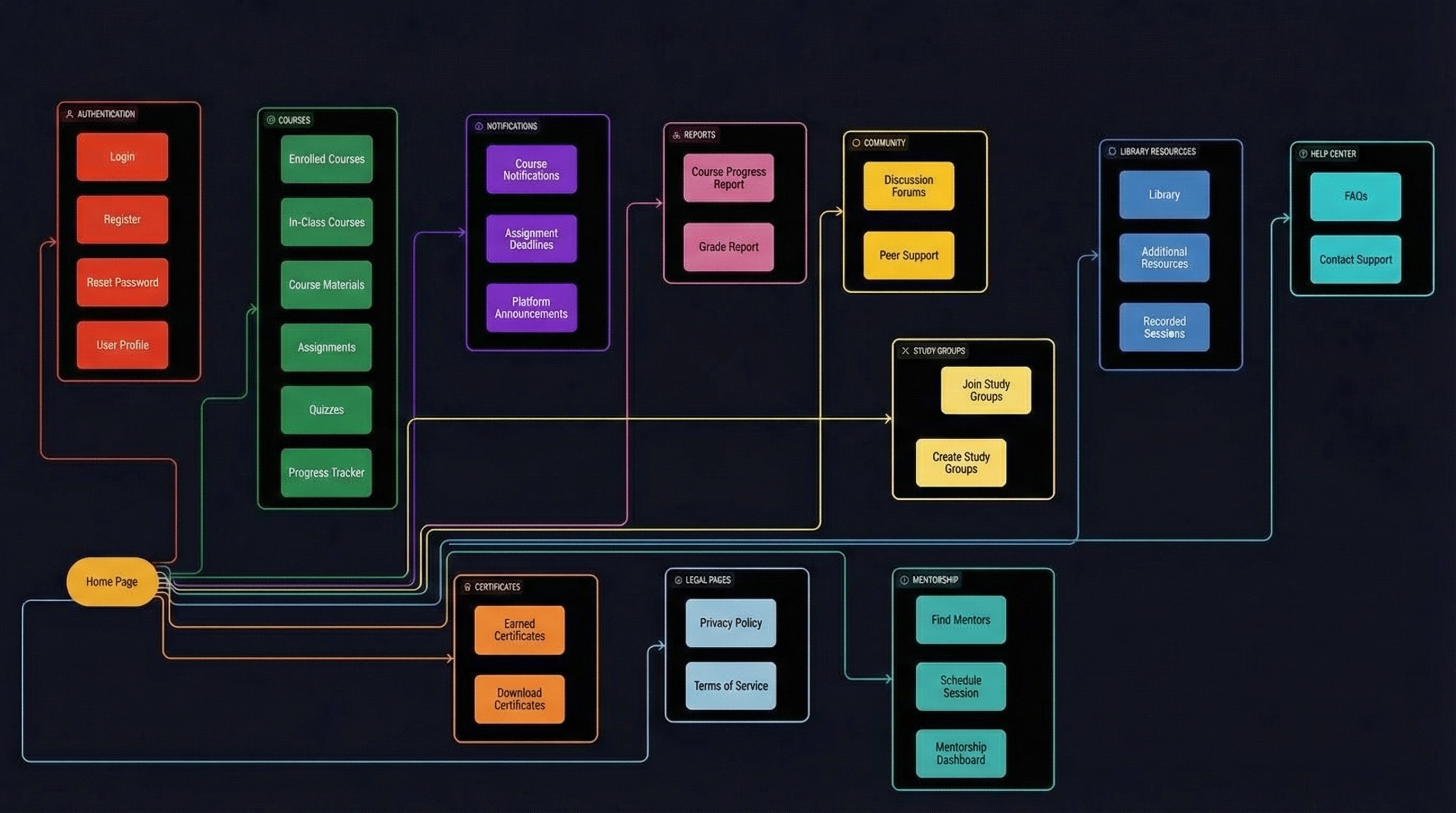
Userflow for student
Userflow for Tutor
Design
Phase #4 *
Ready to build something amazing?
Ready to build something amazing?
Ready to build something amazing?
High Fidelity Screens
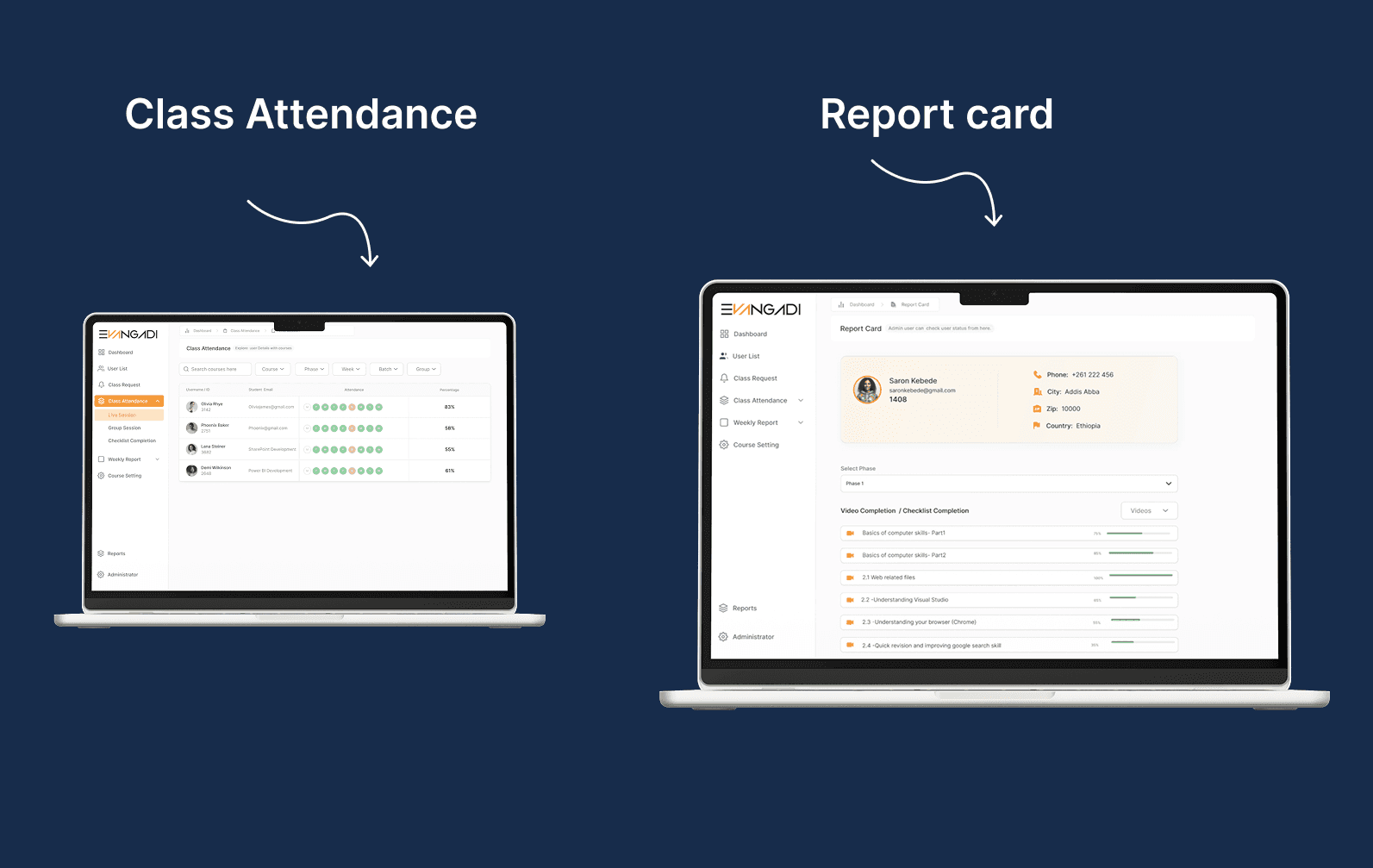
Final UI screens illustrating how students and tutors onboard, attend live sessions, manage schedules, and track outcomes.


160+.. Screens & More
160+.. Screens & More
Userflow for student
160+.. Screens & More
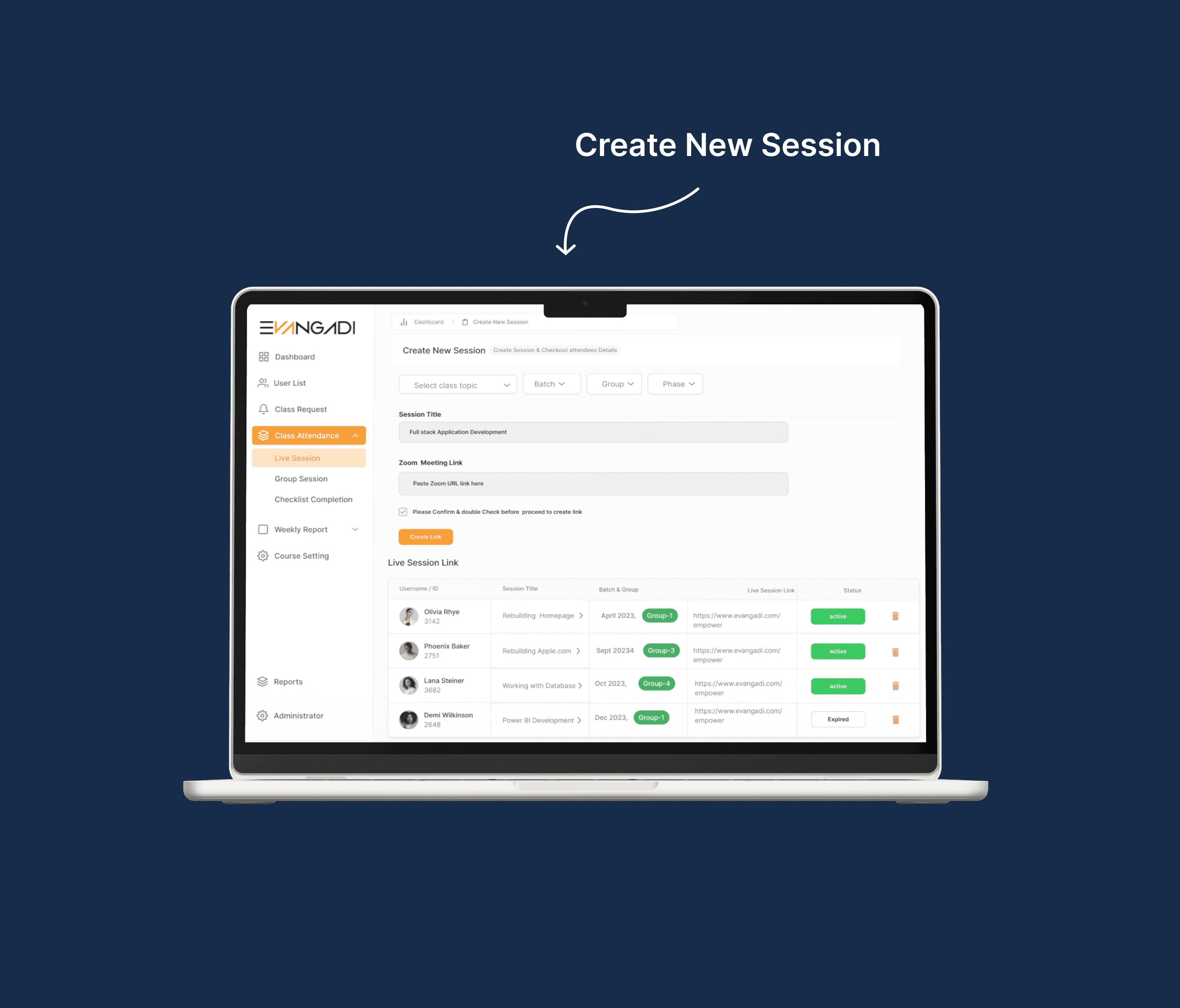
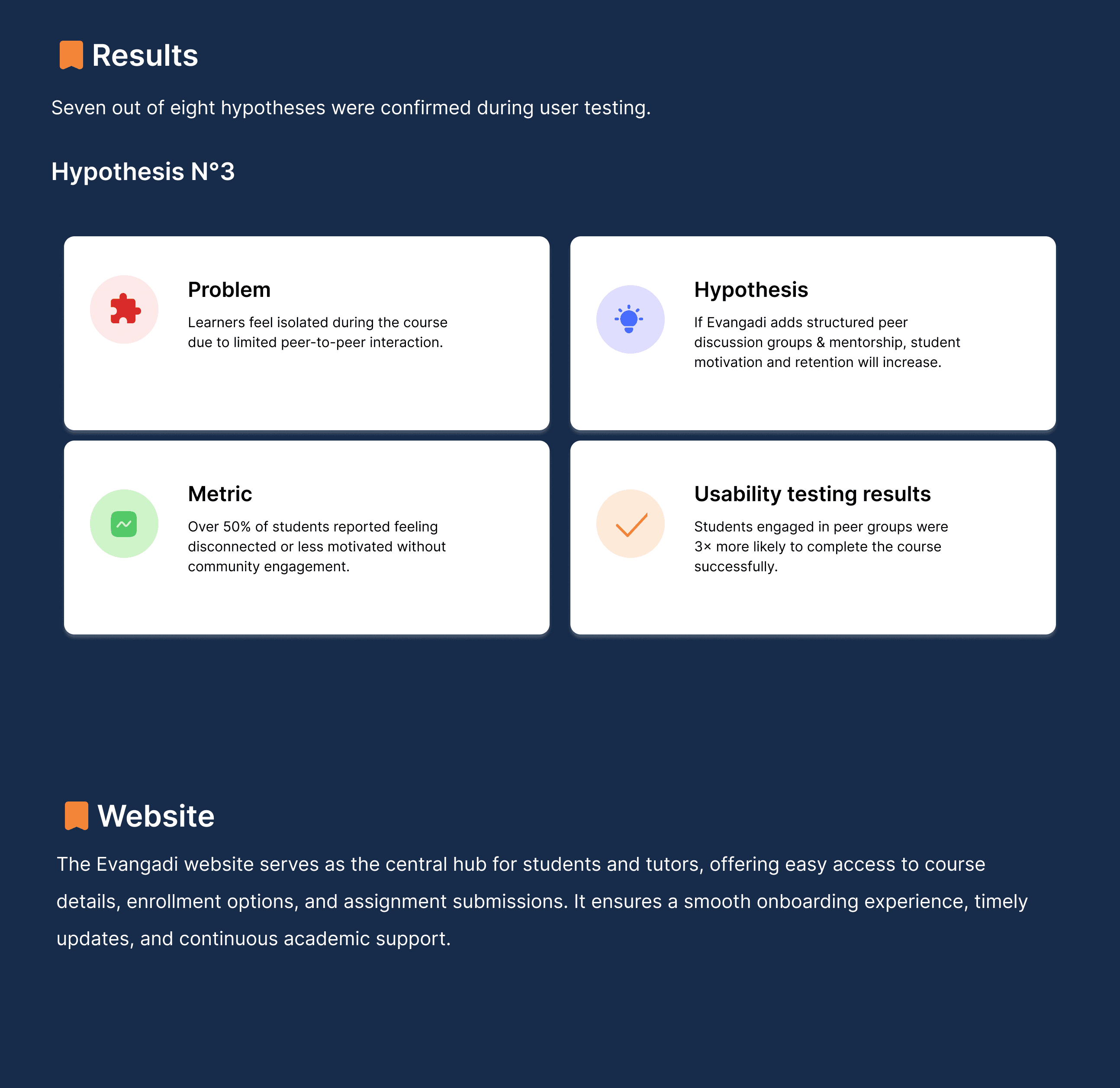
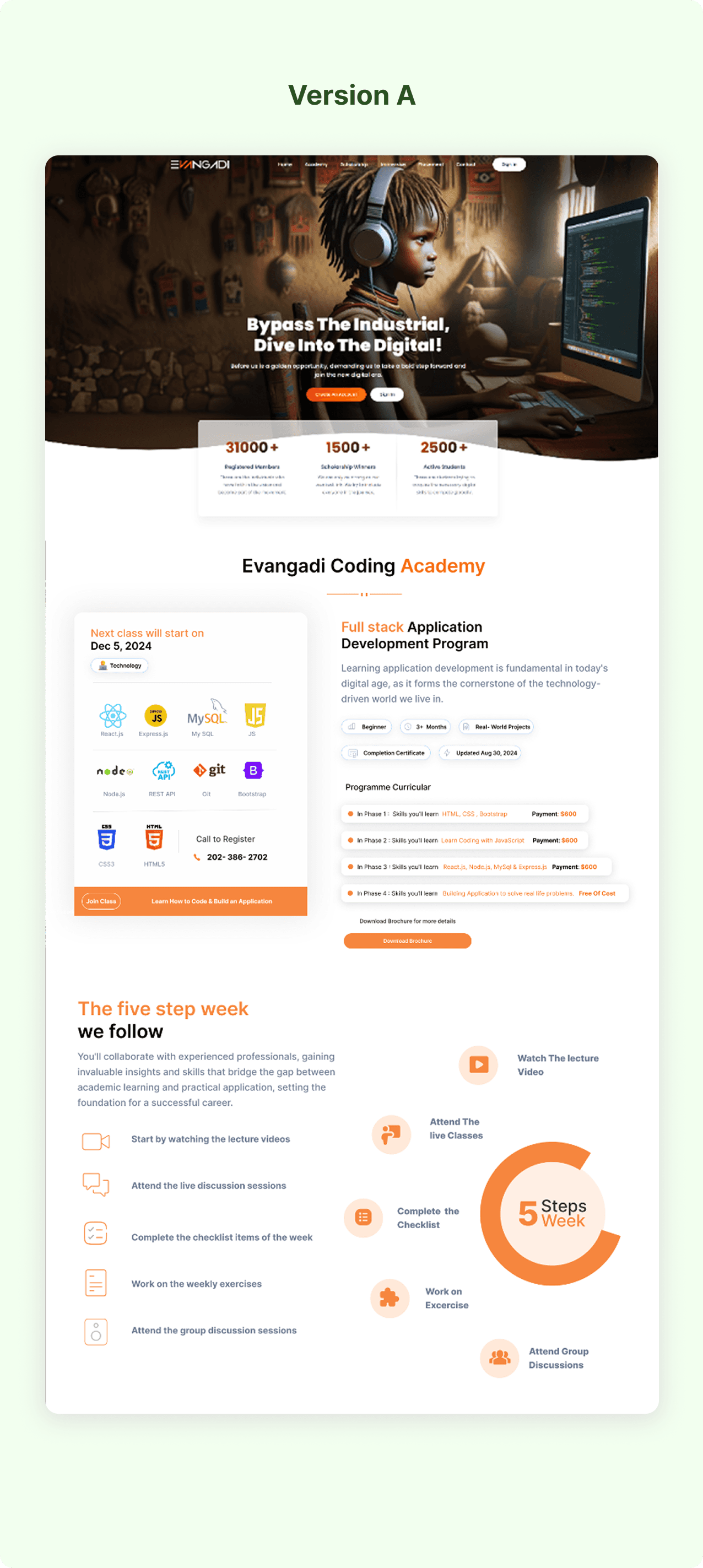
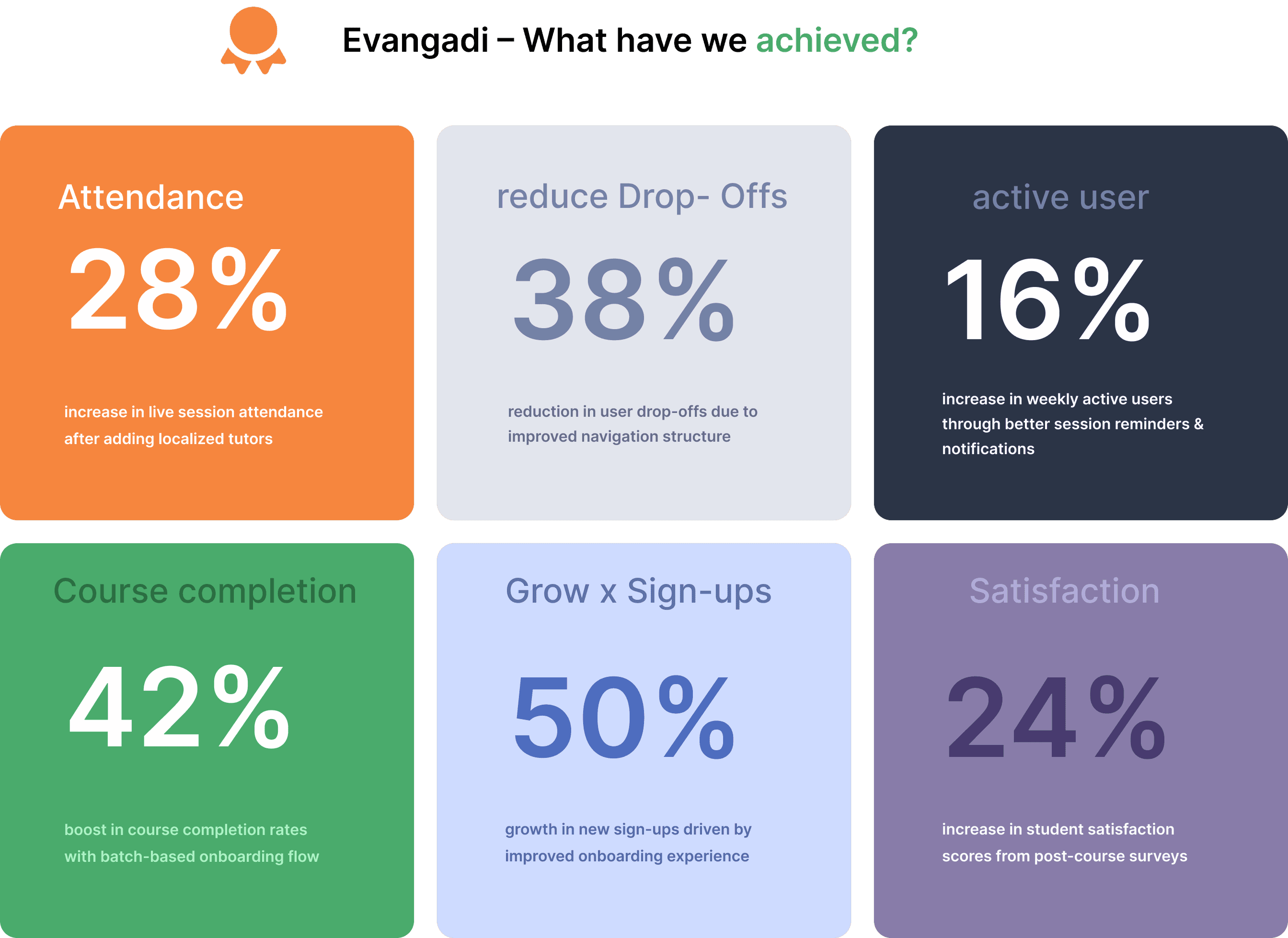
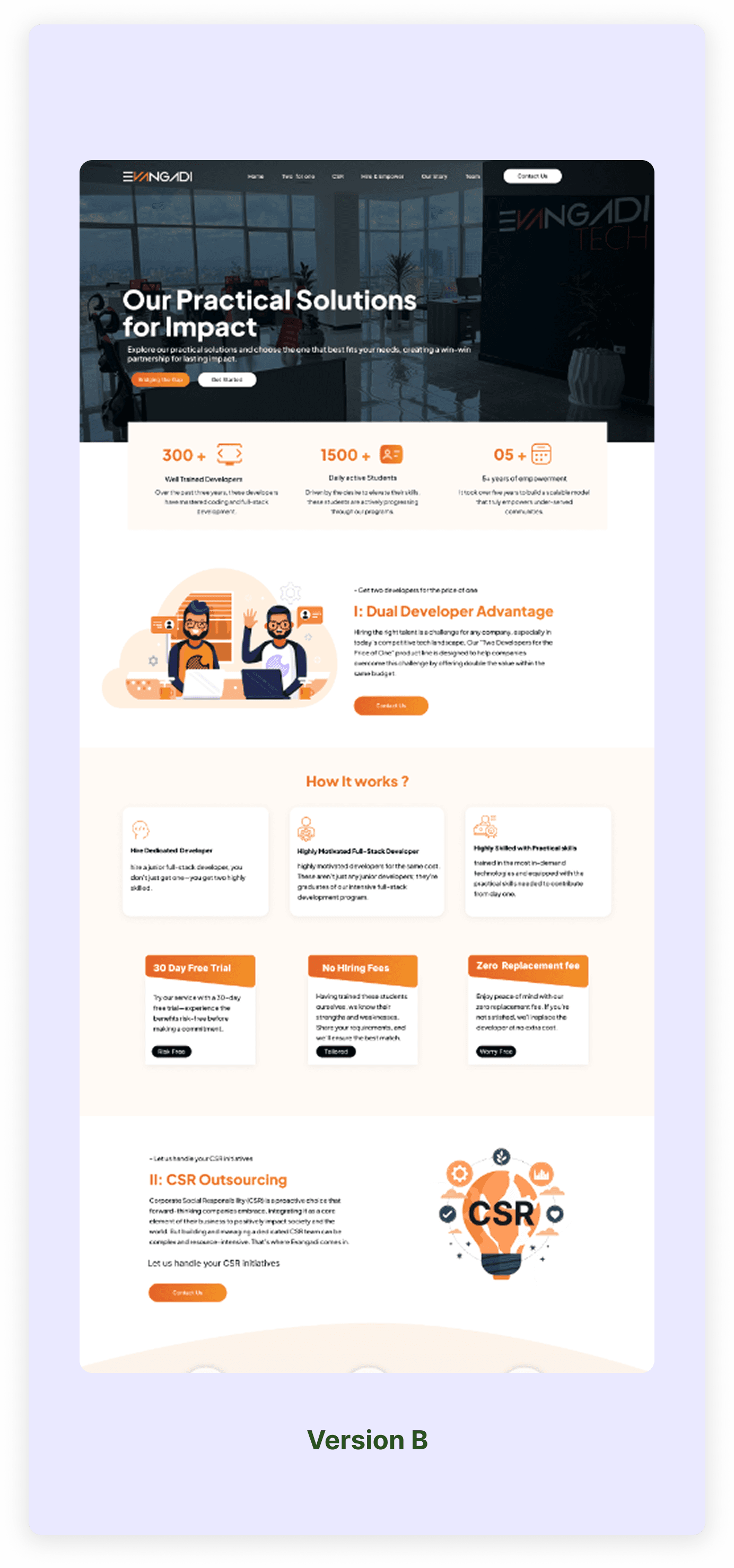

High Fidelity Screens
Final UI screens illustrating how students and tutors onboard, attend live sessions, manage schedules, and track outcomes.
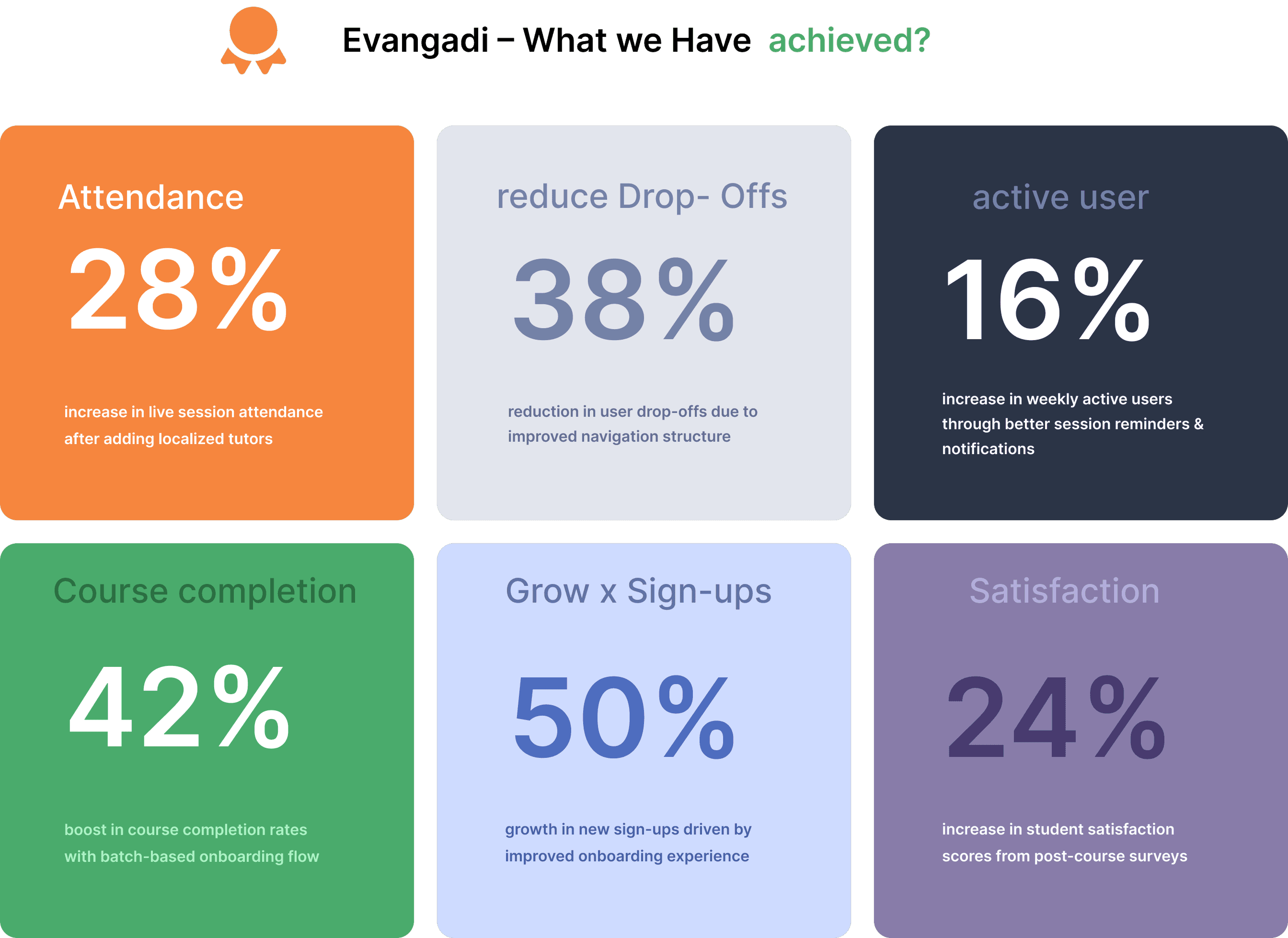
Work in Progress . . .
Ready to build something amazing?
Ready to build something amazing?
Work in Progress . . .
160+.. Screens & More
Work in Progress . . .